
BEFORE ALZHEIMER’S, DAD TAUGHT ME HOW THINGS WORKED.
BEFORE ALZHEIMER’S, DAD TAUGHT ME HOW THINGS WORKED.
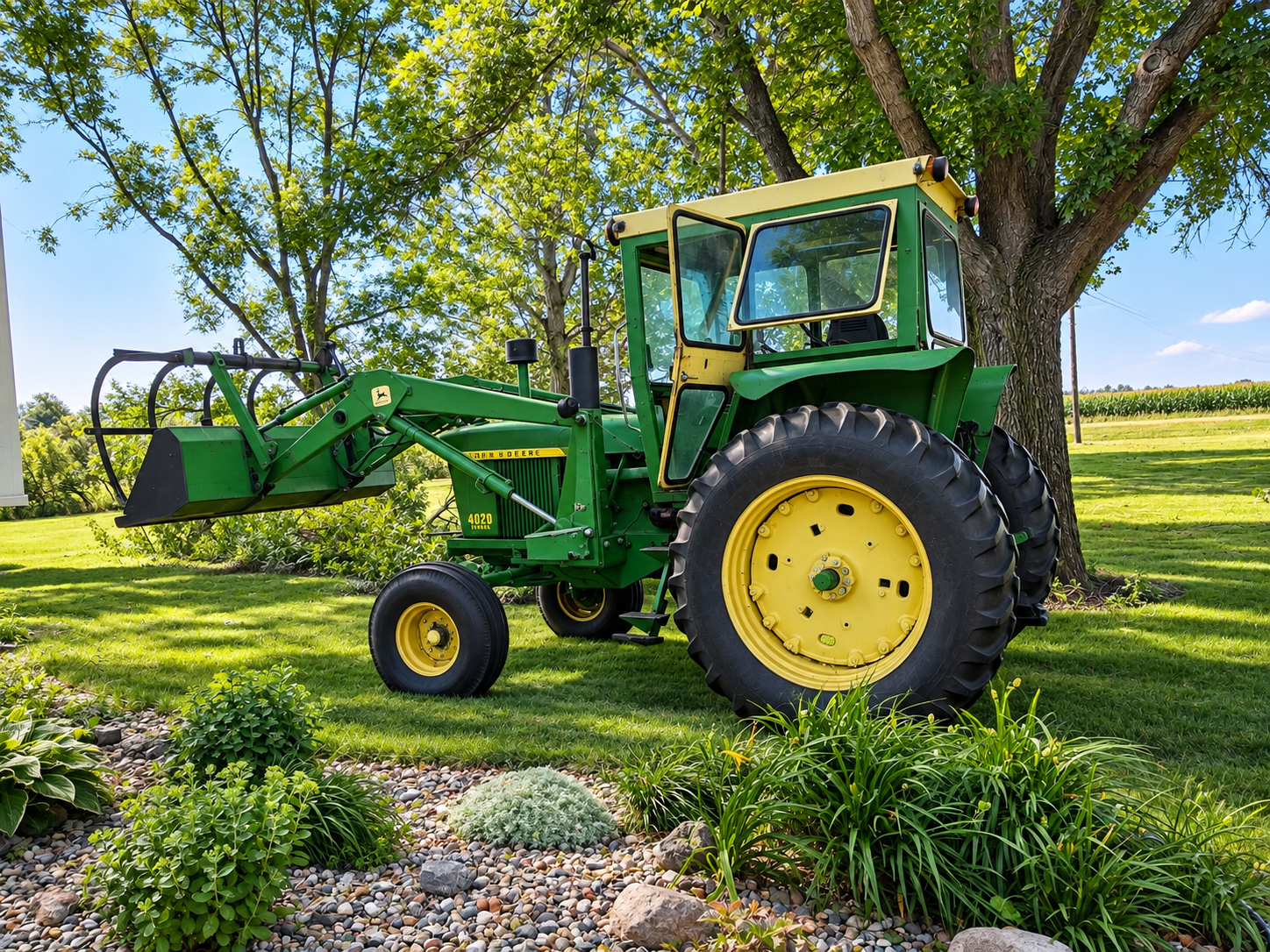
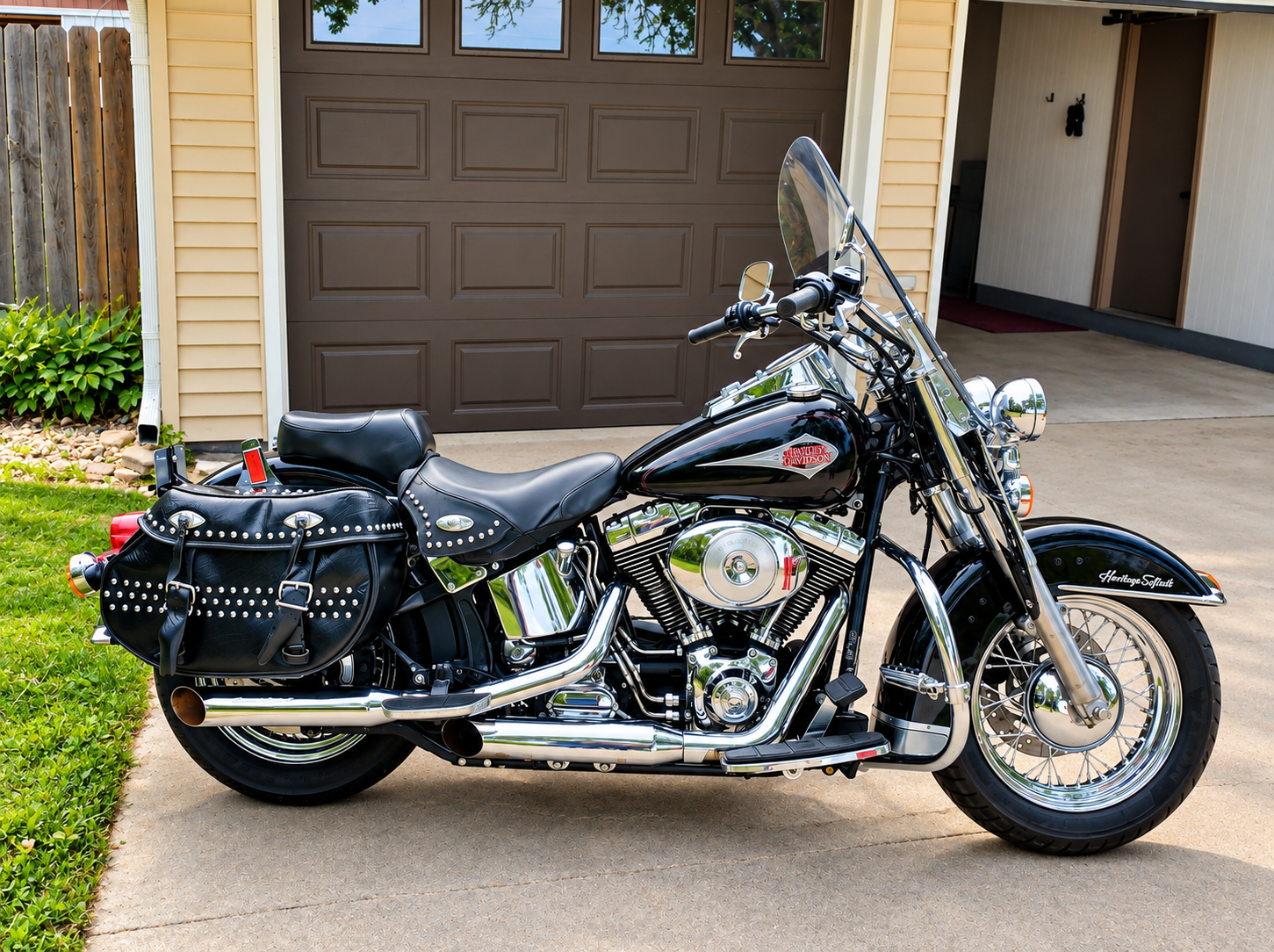
As a child, I was my Dad’s little tool runner.
I spent countless hours alone with him in the shop. I would also go with him to work and sit on a tall metal stool while they stood around the parts counter, listening to Dad and the guys talk about engines, hot rods, and whatever they were working on.
Dad didn’t just tell me what to do. He explained why.
He taught me how things worked. How to fix things. How to figure things out.
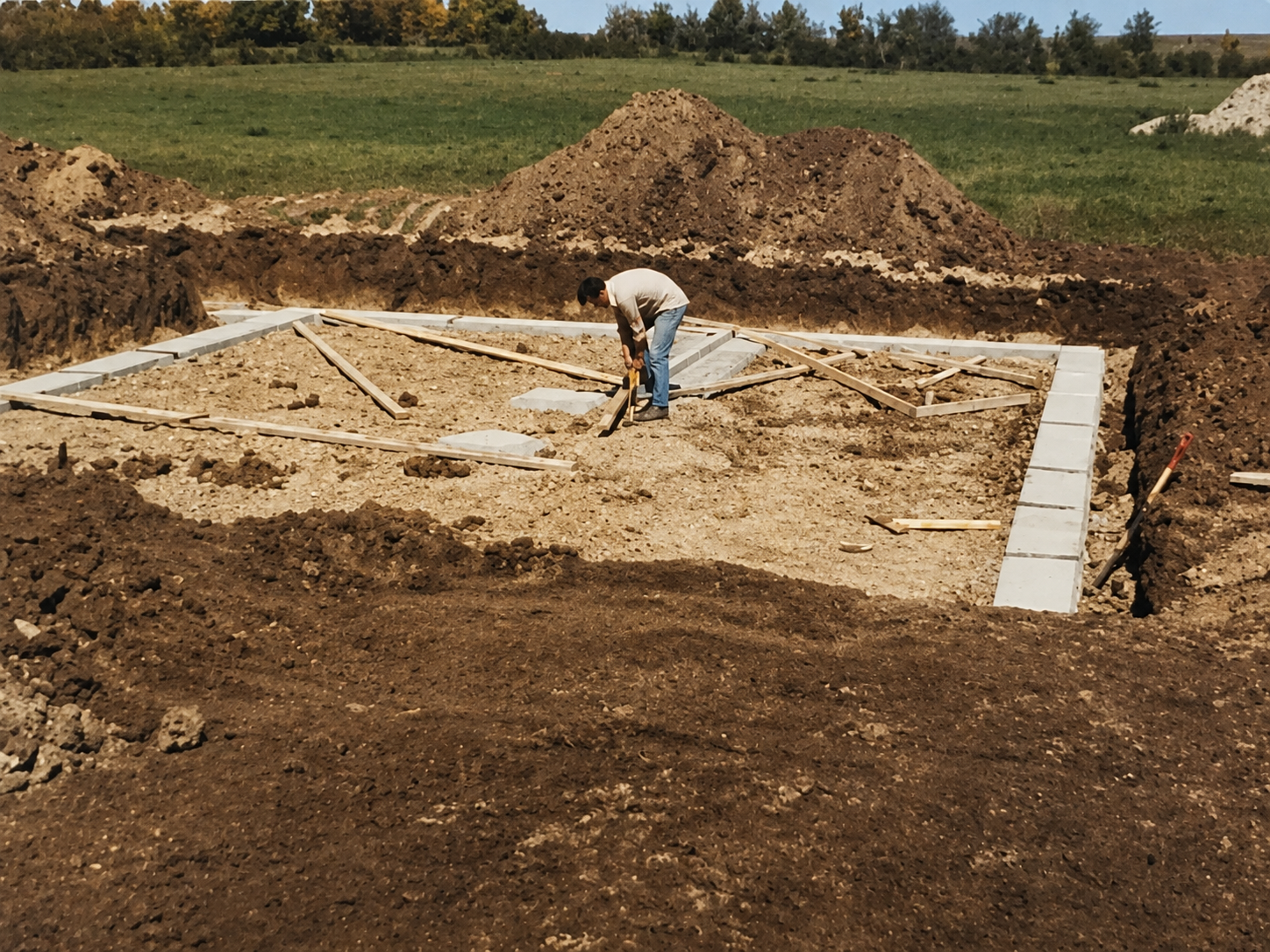
He continued to teach me, and later Tanner, about mechanics, tools, construction, nature, and life.
I didn’t realize it then, but those lessons would stay with me. Years later, I would need every one of them.
The things Dad taught me weren’t just about fixing things or figuring out how they worked.
He taught me not to be afraid of what came next.
Dad had a way of looking at life that made even the hard things feel manageable.
His attitude was simple:
“Do your worst. I can handle it.”
And years later, when life really did its worst, I found myself carrying those words with me.
When Alzheimer's changed everything, I found myself facing problems I had never imagined I'd have to solve.
And in a strange way, I was doing exactly what Dad had taught me all those years before.
Look at the problem.
Figure out what needs to be done.
And keep going.
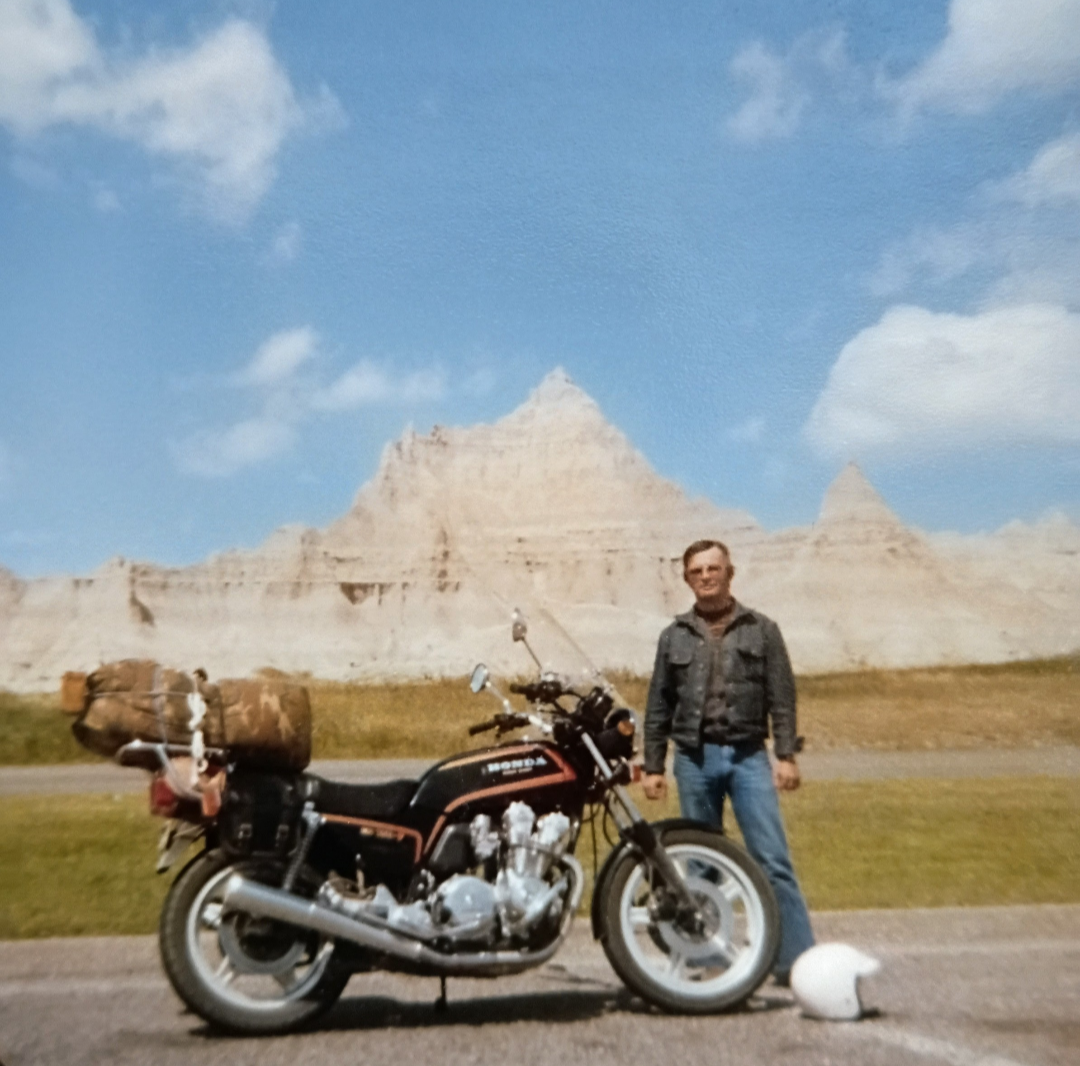
“Not all who wander are lost.” ♡

THEN THINGS STARTED TO CHANGE.
At first, it was little things.
Things I could explain away.
Things that seemed like normal aging, or just Dad being Dad.
But little by little, I began noticing that something was different.
The man who had always been able to figure things out was having trouble figuring things out.
Conversations changed.
Things he had always known became harder.
There were moments that didn't make sense.
And I started paying closer attention.
I didn't know exactly what was happening yet.
I just knew something wasn't right.
And eventually, there was a word for it.
Alzheimer's.
I had already watched dementia change my Mom after a traumatic brain injury. I knew enough to understand that this wasn't going to be simple.
But knowing the word Alzheimer's and understanding what it would actually mean for Dad—and for me—were two very different things.
Because I wasn't just going to be watching this happen.
I was going to become the person who helped him navigate it.
And I had no idea how much I was about to have to learn.

BECOMING HIS CAREGIVER.
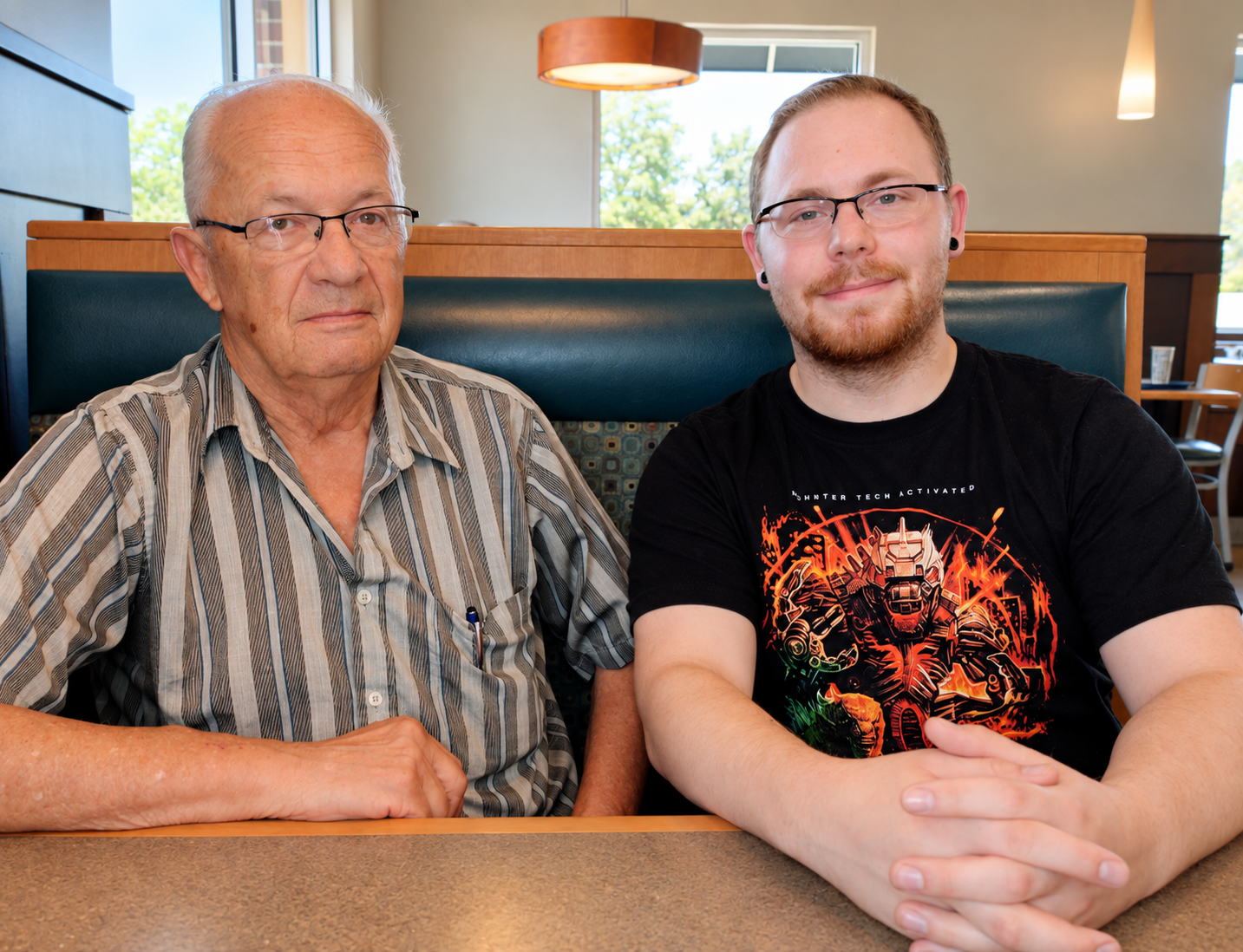
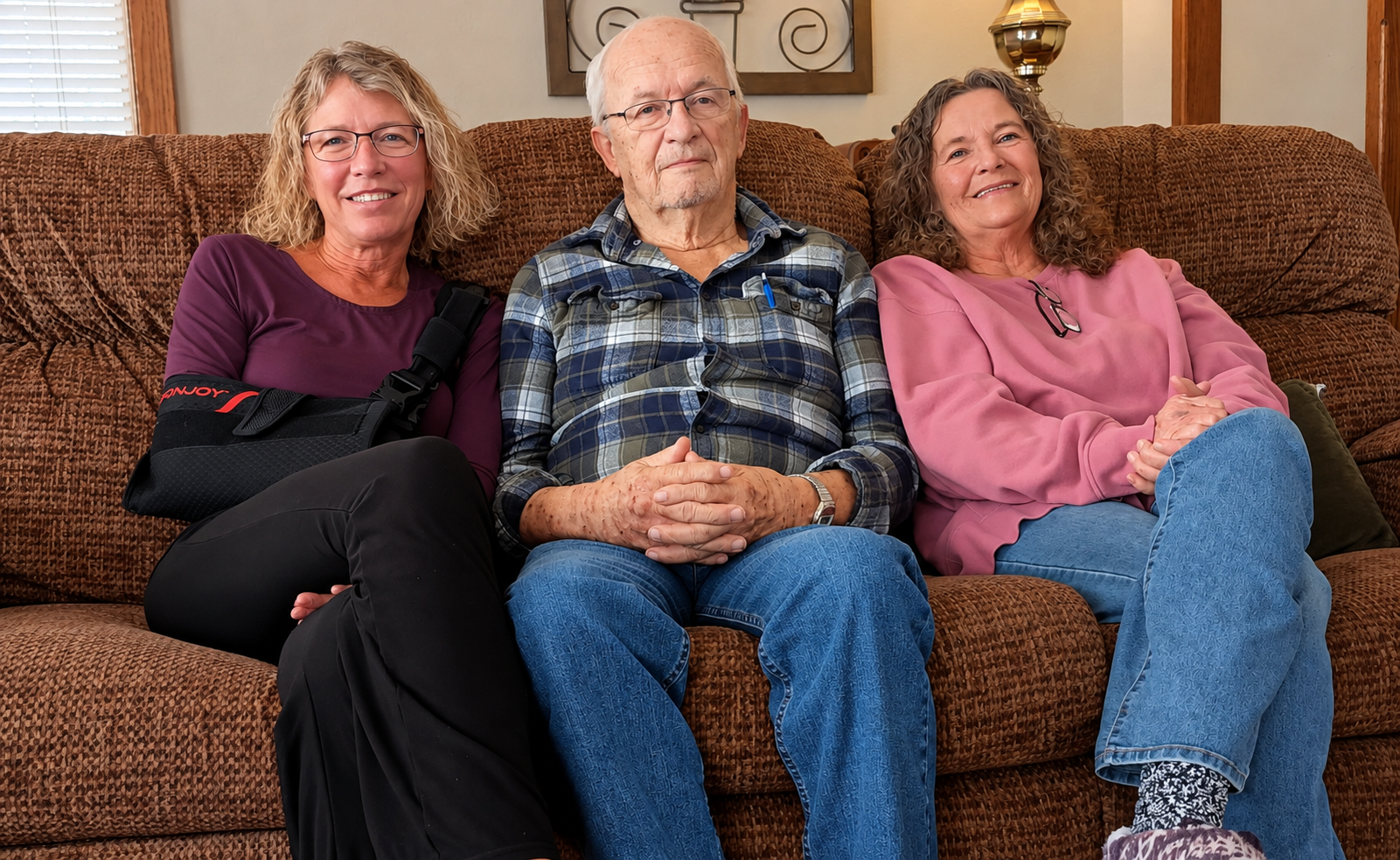
At first, I was still just his daughter.
After losing my Mom, who had been the love of his life for over 55 years and the manager of the house and all things—from cooking and cleaning to bills and medical care—my focus was on trying to maintain some sense of normalcy for Dad and managing his grief and well-being.
Tanner and I tried to keep him entertained and continue the traditions we had always shared. We tried to keep things familiar, right down to cooking my Mom’s recipes for him.
It helped, for a while.
We were trying to give Dad something familiar to hold onto while he was learning how to live without Mom.
But the grief added to his confusion, and the memory issues started increasing more rapidly.
Things that had once been simple began taking more attention. I started helping with things I hadn't needed to help with before. Then I was keeping track of things. Then I was making calls, figuring things out, and stepping in when something needed to be handled.
There wasn't one moment when I became his caregiver.
It happened gradually.
Helping became managing.
And before I really understood how much my role had changed, I was no longer just helping Dad get through the day.
I was becoming the person responsible for helping navigate a world that was becoming increasingly difficult for him to understand.
Some days I felt like I was doing a pretty good job.
Other days, I cried in the car before I could walk back inside.
I made mistakes. I got things wrong. I figured things out. I learned. I tried again.
There were failures.
There were successes.
There were things I wish I had known sooner, things I wish someone had told me, and things I learned only because I had no choice but to figure them out.
And somewhere along the way, I realized that all of those experiences—the things I got right, the things I got wrong, the lessons I learned, and the things I wish I had known—were becoming something more.
They were becoming the foundation for something I wanted to share with other caregivers.
Because if I had to learn so much of this the hard way, maybe I could make the road a little easier for someone else.
And that is where Still His Daughter began.
WHERE THIS JOURNEY BEGINS.
I didn't set out to create books.
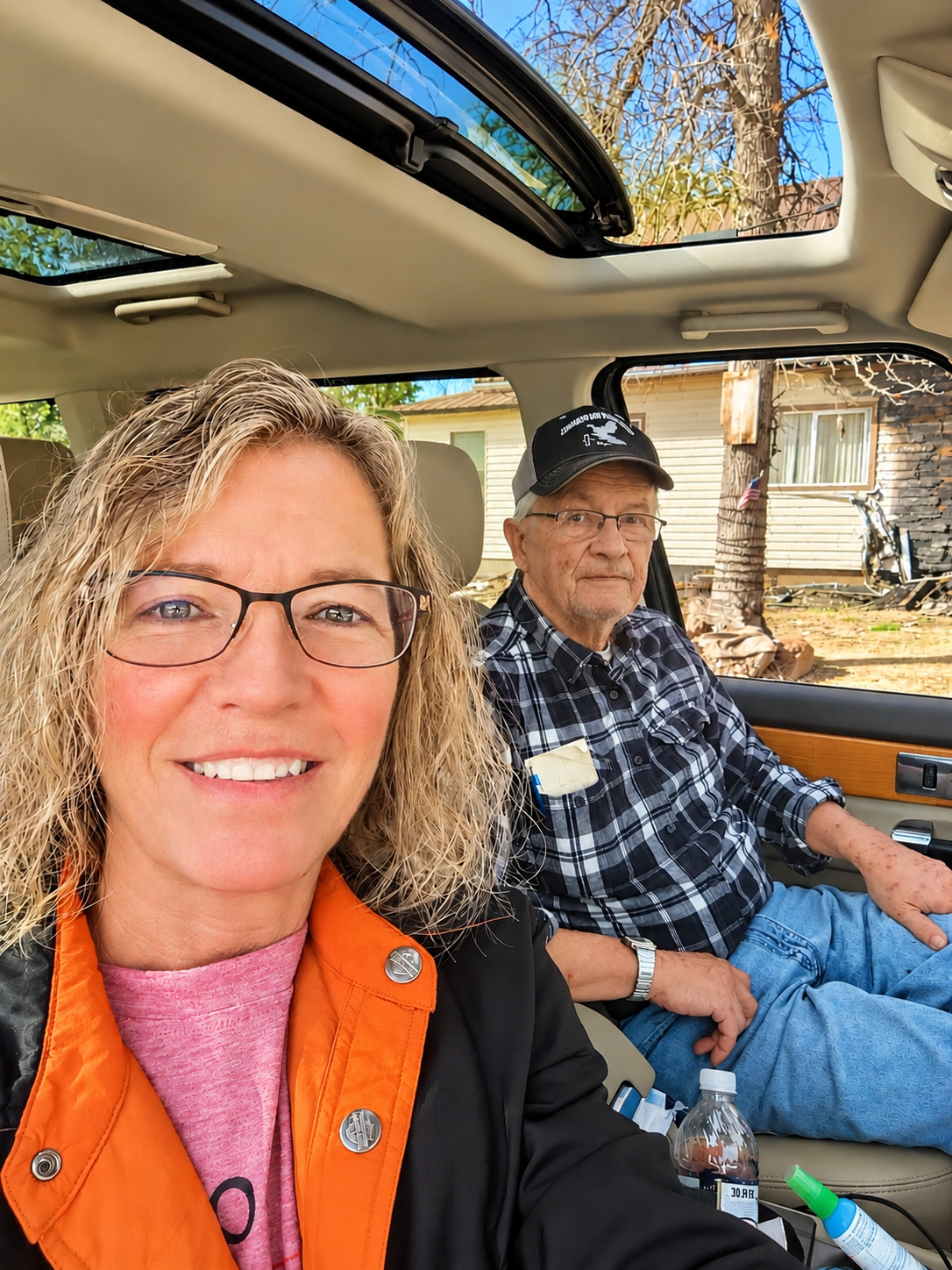
I was simply trying to navigate my Dad's Alzheimer’s journey, one day and one decision at a time.
Along the way, I learned things I never expected to have to learn. I made mistakes. I figured things out. I found things that helped, and I learned some lessons the hard way.
Eventually, I realized I wanted to turn some of those experiences into something that could help someone else.
The Alzheimer’s Journey — Caregiver Starter Journal is the first piece of that journey.
Created for the early stages of caregiving, it is a place to breathe, prepare, document, and remember. A place to slow down, notice what matters, and begin creating your own record of the journey.
It is not everything.
It is simply where we begin.
As my own story, and struggles, continued to evolve, so will Still His Daughter.
There will be more stories. More lessons. More things I wish I had known.
And, eventually, more books.
For now, this is the beginning.
His story. My heart. Our journey. ♡
THE ALZHEIMER’S JOURNEY
Caregiver Starter Journal
Coming October 2026
A place to breathe, prepare, document, and remember.